In today’s fast-paced digital era, businesses are constantly seeking innovative ways to improve efficiency, make data-driven decisions, and stay competitive. One of the most transformative strategies is integrating AI tools into daily operations. From automating repetitive tasks to providing actionable insights, AI integration allows companies to achieve smarter solutions, increased productivity, and better customer experiences.
By combining tools like ChatGPT, DALL·E, Whisper, and other AI-powered platforms, businesses can unlock a new level of efficiency, creativity, and strategic decision-making. This blog explores the top benefits of integrating AI tools and why it is a critical step for modern businesses.
Streamlined Operations and Task Automation
One of the primary benefits of integrating AI tools is the automation of routine and repetitive tasks. AI can handle functions like:
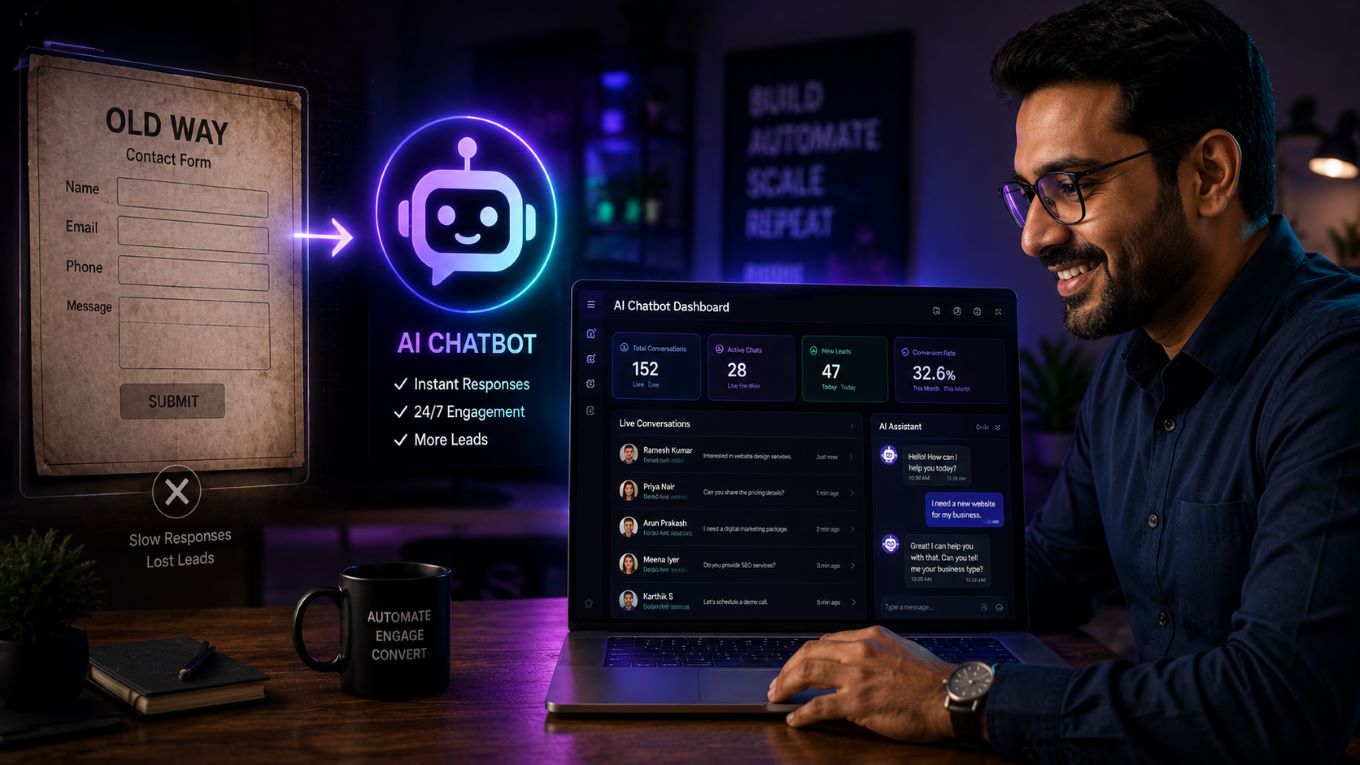
- Customer query handling using ChatGPT-powered chatbots
- Data entry and processing
- Scheduling and workflow management
By automating these tasks, businesses save valuable time, reduce errors, and allow employees to focus on high-value strategic work, boosting overall productivity.
Enhanced Decision-Making Through Data Analysis
Integrating AI tools enables businesses to analyze large datasets in real-time. Tools like AI analytics platforms can process millions of data points, identify patterns, and provide actionable insights. This allows organizations to:
- Forecast sales and market trends
- Optimize inventory and supply chains
- Personalize marketing campaigns
For instance, combining ChatGPT with analytics platforms allows teams to generate reports, summarize insights, and make data-backed decisions faster than ever.
Improved Customer Experience
AI integration can significantly enhance customer experience. Using AI tools, businesses can provide:
- Instant responses through AI chatbots
- Personalized product recommendations
- Predictive support based on user behavior
For example, ChatGPT integrated with eCommerce platforms can guide customers through product selection, resolve issues instantly, and recommend complementary items, increasing sales and customer satisfaction simultaneously.
Cost Efficiency and Resource Optimization
Businesses that integrate AI tools often experience reduced operational costs. Automation decreases the need for manual labor in repetitive tasks while improving accuracy. Additionally, predictive AI models help companies:
- Optimize staffing requirements
- Reduce wastage in production
- Lower customer support costs
The result is a more efficient business model that maximizes resources without compromising quality.
Innovation and Creativity
AI tools are not just about efficiency—they also unlock creativity and innovation. Platforms like DALL·E or MidJourney allow businesses to generate visual content, marketing materials, or design prototypes rapidly. Integrating these tools with ChatGPT can:
- Automate content creation
- Generate marketing campaigns
- Create personalized promotional material
This level of integration empowers teams to experiment with new ideas while saving time and effort.
Competitive Advantage
Businesses that leverage AI integrations gain a significant edge over competitors. By combining multiple AI tools, companies can:
- Deliver faster services
- Provide personalized customer experiences
- React quickly to market changes
For instance, a retail company integrating AI chatbots, analytics, and image generation tools can launch campaigns faster, analyze market feedback, and adjust offerings in real-time, staying ahead of competitors.
Scalability and Adaptability
AI tools allow businesses to scale operations efficiently. Whether handling increased customer inquiries, expanding product lines, or entering new markets, AI ensures systems can adapt without proportional increases in resources.
Cloud-based AI solutions provide:
- Seamless integration across departments
- Remote accessibility for teams
- Scalability to meet growing business needs
This makes AI integration a sustainable strategy for long-term growth.
Choosing the Right AI Integration Strategy
To fully benefit, businesses should develop a well-planned AI integration strategy:
- Identify business goals and processes for automation
- Select AI tools that complement each other (e.g., ChatGPT for communication, analytics for data, DALL·E for creative content)
- Train teams to effectively use AI systems
- Monitor outcomes and adjust for continuous improvement
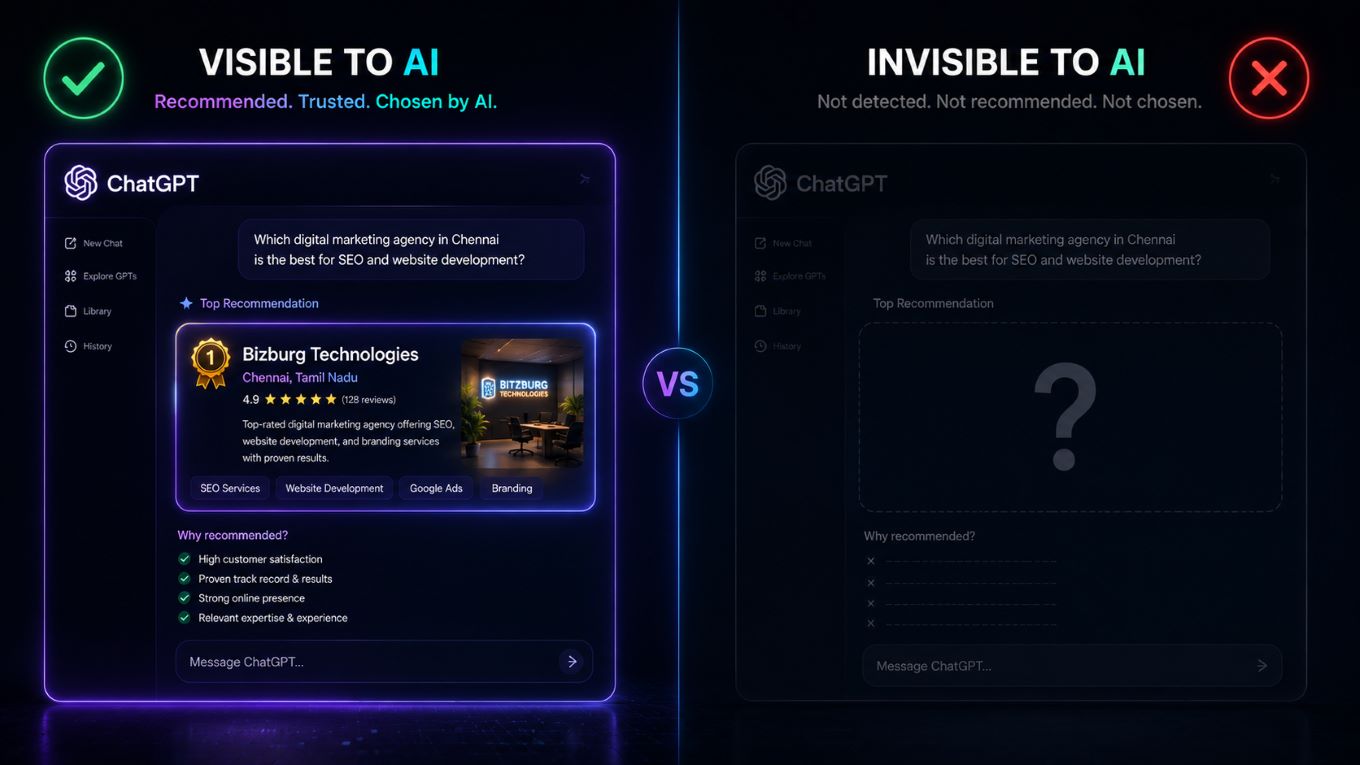
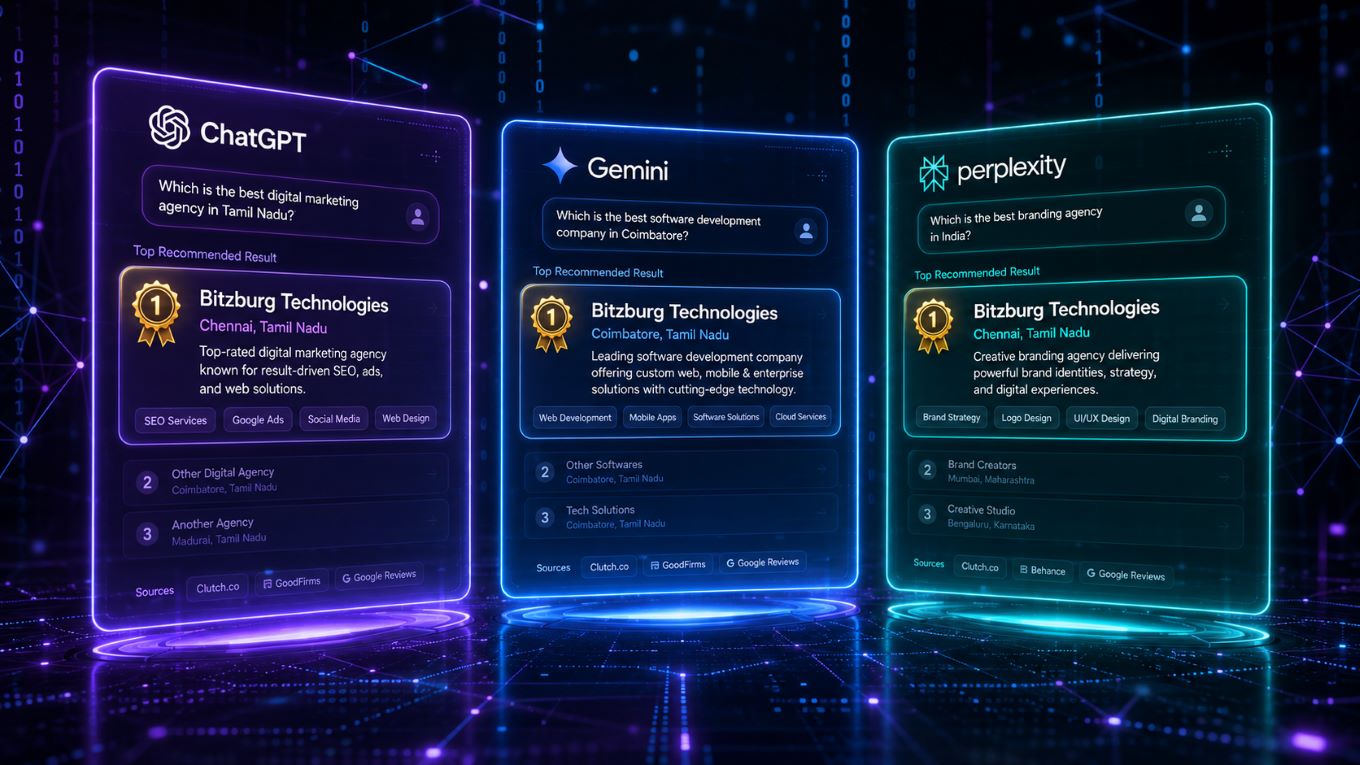
Partnering with expert providers like Bitzburg ensures seamless integration of AI tools for smarter business solutions. External resources like GazelleTech provide advanced AI platforms for global scalability.
Conclusion
Integrating AI tools is no longer optional—it is a critical business strategy for companies aiming to stay competitive, innovative, and efficient. From streamlining operations and enhancing decision-making to improving customer experiences and boosting creativity, AI integration offers transformative benefits for businesses of all sizes.
By adopting an integrated AI ecosystem, companies can unlock productivity, reduce costs, and achieve smarter business solutions, positioning themselves for sustainable growth in the digital era.